Dumpster Rental Guide: What You Can and Cannot Throw Away
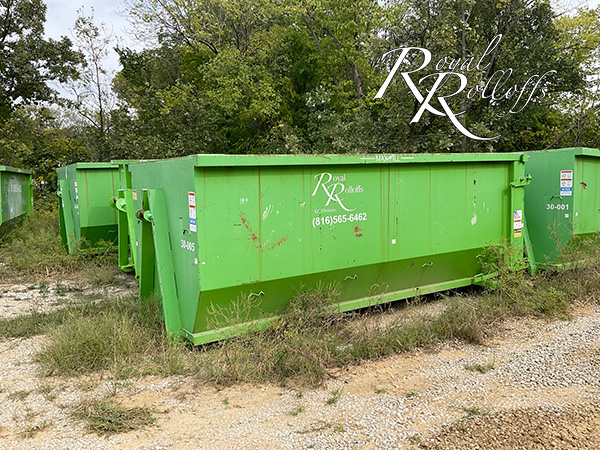
As you prepare for any type of cleanup or home renovation in the Independence, MO community, learning the rules for dumpster use is essential. It often surprises people to learn that some waste requires special handling. Knowing the rules helps avoid delays, additional fees, and health and safety risks on the worksite. At Royal Rolloffs, our goal is to make disposal straightforward by helping you understand what belongs in the dumpster and what does not. This complete list helps you prepare for your project and use your dumpster responsibly.
Handling waste correctly is not just about making things easier. It makes sure you follow disposal guidelines, reduces risk to your crew and family, and promotes sustainability. Sorting your materials correctly, you can avoid interruptions and maintain steady progress. This article covers common categories of waste, shows what to avoid, and gives suggestions for proper loading and disposal.
Residential Junk and Everyday Trash
Household clutter is typically permitted. These include things like broken chairs, unwanted clothing, old toys, cardboard boxes, and everyday trash. These common materials are easy to dispose of and make up the bulk of waste generated during cleanouts and move-outs. When tackling a garage, basement, or attic cleanout, these usually fill the bottom of the dumpster. Keeping them together and organized helps maximize space and keeps the loading process efficient.
Remodeling debris like drywall, here flooring, lumber, and shingles is accepted. These are typical results of repairs and remodels. To make the most of the space, break down larger items when possible and place heavier materials at the bottom. This technique keeps the dumpster balanced and efficient. Loading carefully means fewer trips and a cleaner worksite.
Green Waste and Exterior Cleanups
Your dumpster can handle most yard debris including trimmings and brush. People rent them for lawn renovations, hedge trimming, and cleanup efforts. Keeping yard debris separate from other materials helps with disposal and ensures that the waste is handled according to local composting or recycling regulations. Our team advises clearing bulky stumps first, because they often require additional handling.
Outdoor materials such as fencing, decks, and patio furniture are also acceptable as long as they are free from hazardous coatings. Wood should be free of lead-based paint or creosote, because they need special treatment. If you are replacing concrete or bricks, these can also go into a dumpster but should be loaded evenly to avoid overloading. Balanced weight prevents issues during pickup and transport.
What You Must Keep Out of the Dumpster
You cannot put every type of waste inside the dumpster. Paint, solvents, and toxic materials must be kept out. These substances can leak or react, creating dangerous conditions for waste handlers and the environment. Customers should contact local waste facilities for guidance on proper disposal methods for these materials.
Units with refrigerants require special preparation before being loaded. Bulbs and batteries cannot go into general trash due to hazardous materials. Sharps, medical debris, and hazardous soil must not be disposed of in a dumpster. Knowing the rules beforehand keeps your rental compliant.
Remodeling and Demolition Materials
Dumpster rentals are frequently used for construction and demolition waste. You can toss concrete, shingles, wood, and metal into the container safely. For large renovation projects, keeping similar materials grouped together can make recycling easier and help reduce the environmental impact of the project. Royal Rolloffs provides guidance to keep construction site disposal safe and lawful.
Removing walls and fixtures produces debris such as plaster and old windows. Safe materials can be included but asbestos must be excluded. Any asbestos must be identified and handled by qualified personnel. Planning ahead prevents stoppages and protects workers.
Handling Dense Waste Materials
Dense materials like dirt and asphalt are accepted with weight precautions. These materials quickly add weight, and overloading can make the container unsafe for transport. Keep track of the volume and weight of dense debris to stay compliant. Sometimes extra containers are required for safety.
When disposing of soil and stone, load gradually for balance. This prevents damage to the dumpster and reduces the risk of issues during pickup. Telling us ahead of time about heavy waste ensures we send the right equipment. Proper preparation maximizes the use of the dumpster and ensures safety.
Environmentally Responsible Practices
Environmentally aware disposal benefits everyone in the area. By keeping hazardous items out of the dumpster and recycling where possible, you reduce the amount of waste going to the landfill. We partner with recycling and disposal facilities for responsible waste processing. This commitment helps keep Independence, MO, clean and safe for future generations.
When customers take time to separate recyclables like metal, cardboard, and certain plastics, it makes the disposal process more sustainable. This prevents issues during pickup while protecting the planet. Royal Rolloffs helps clients organize their waste for proper disposal. Doing this means you meet local guidelines while acting responsibly.
Maximizing the Benefits of Your Dumpster
Learning the rules helps avoid issues during the rental period. People throughout Independence, MO, count on Royal Rolloffs for expert guidance and quality dumpsters. When you follow these steps, your jobsite stays organized and on schedule. We are here to help make disposal simple, safe, and efficient for every type of job. No matter if it’s a cleanout, renovation, or outdoor project, we ensure your container meets your needs.